A private label diaper programme is not complicated, but it has a fixed order. Skip a step and the delay usually appears later, at the worst moment: artwork approved before the sizes are locked, or a deposit paid before the regulatory text is checked. Here is the sequence we run with new brand owners.
1. Choose the spec tier
Decide whether the first order is economy, standard or overnight, and which sizes to lead with. Most markets buy two or three tiers rather than one, but a first container is usually safer with a narrow range: two tiers and four sizes will outsell five tiers and eight sizes that sit unsold.
2. Lock sizes and pack counts
Pieces per bag, bags per carton and the size mix decide container fill before anything is printed. Changing pack counts after artwork approval means redoing bags, cartons and often the label approval. Fix these numbers early, in writing.
3. Prepare artwork and regulatory text
Bag artwork needs more than a logo: legal name and address of the brand owner, size and count, absorbency claim basis, batch and expiry fields, and market-specific warnings. The importer of record is responsible for the wording, but the factory should flag anything that will fail at the border.
4. Order free running samples
Running samples of current models are the fastest way to confirm hand-feel, fit and absorbency before committing to a custom run. They are typically free; the buyer pays courier. Test them against the incumbent product, not in isolation.
5. Approve custom samples
Custom samples with your artwork and your spec usually take seven to ten days. Approve in writing, with photos of the exact bag and carton, because this sample becomes the reference for the production run and for any later dispute.
6. Deposit and production slot
Standard terms are 30% T/T with the balance against the bill of lading, or L/C at sight for larger programmes. The deposit books the production slot. Production is typically fifteen working days after artwork approval and deposit, longer for multi-SKU containers.
7. Production and QC
During the run, the factory tests absorption, rewet, pH, microbial count and fluorescent agents on every batch, with retention samples kept. If you plan a third-party inspection, book it before the run starts; good inspectors are not available at short notice.
8. Loading and documents
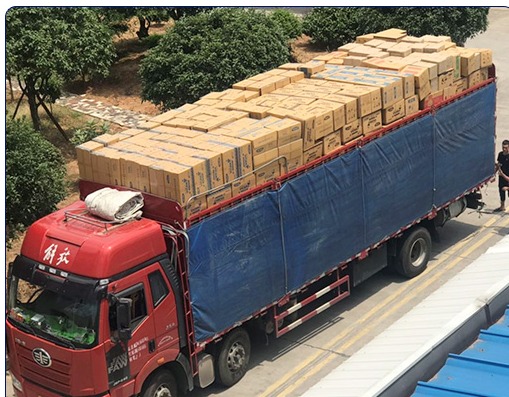
The container is loaded against the packing list, photographed, and sealed. Documents travel with it: commercial invoice, packing list, bill of lading, certificate of origin and the test reports requested for your market. Check the consignee details twice; a wrong consignee on a bill of lading is expensive to correct after sailing.
The realistic timeline
From first enquiry to a loaded container, most first orders take six to ten weeks: one to two weeks for samples and artwork, two to three weeks of production, and the rest in booking and transit. Buyers who start four weeks before their selling season are usually late. Start eight.